
Topics Found On This Website, Sorted By Category
Introduction

A Credible Argument (Part 1) – What Is Sufficient Evidence, And How Do I “Know” If Something Is True?
“Natural theology” is a branch of theology that seeks to provide justification for belief in God’s existence without the use of scripture. It is the method that we use for this website. But how do we know when someone has established a compelling case for their...

A Credible Argument (Part 2) – What Constitutes A “Sound And Valid Argument”?
AN ARGUMENT An argument can be in the following forms: • a deduction - based on logic (i.e., the conclusion logically follows from the premises), or • an induction - drawing a conclusion based on observation: "The sun rises every day and is therefore likely to rise...

Introduction (Part 1): Have I Seen All The Evidence?
WELCOME “You know, there isn’t much more that can be said about the subject of God’s existence. I’ve heard every argument on both sides of this issue. People who believe in God just don’t have any evidence to back up their belief. Atheists have them on the defensive...
Moral Argument For God

Moral Argument (Part 1): What Does Atheism Say About Morality?
A CONSCIENCE OR MORAL SENSE Where did our conscience come from? Why do we all think some things are right and some are wrong? Every day, perhaps several times a day, we make decisions about right and wrong. Where did that moral sense come from? For centuries,...

Moral Argument (Part 2): Do Morals Actually Exist, Or Are They An Illusion?
Actress Mira Sorvino:"When you are a Christian, your law is laid out for you in codified form," the actress told GQ. "I find that extremely restrictive and impossible." NATURALISM “Naturalism,” the most popular type of atheism, says: “Moral values and duties don’t...

Moral Argument (Part 3): Do Objective Morals Exist On Their Own Without Any Need For God?
ATHEISTIC MORAL PLATONISM In the last blog we gave reasons to believe that objective moral values and duties actually do exist and are not an illusion. Now let’s address the second group of atheists who believe that objective moral values exist independently of any...
Beginning Of The Universe
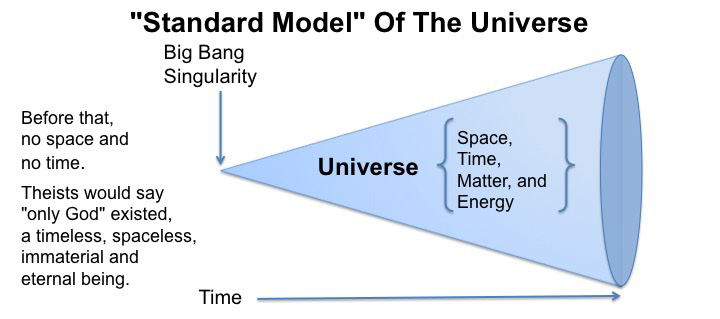
Beginning (Part 1): Did The Universe Have A Beginning?
Actor Gabriel Byrne: "When the sun is shining I don't believe in God," he told the Guardian. "When I get on a plane I think there might be one." THE UNIVERSE: A BEGINNING OR "PAST ETERNAL"? A book in the Bible called Genesis says that the universe had a beginning. Is...

Beginning (Part 2): A Universe “Out Of Nothing”?
WHAT IS "NOTHING"? Okay, we need to wrap our heads around a concept that can be difficult to understand. The word “universe” refers to four things: space, time, matter and energy. The Standard Model of the Universe is the accepted explanation for how the universe...

Beginning (Part 3): Atheists’ Attempts To Avoid A Beginning And A Ghostly Whisper From The Moment Of Creation
ATHEISM'S REACTION TO THE STANDARD MODEL OF THE UNIVERSE In our first blog on a “beginning,” we said that for centuries theists have claimed the universe had a beginning, and atheists claimed it was past eternal. It seems that issue was settled in the 1920s when...
Fine Tuning Of The Universe

Fine-tuning (Part 1): William Paley’s Watchmaker Argument
Woody Allen: "In his autobiographical film Stardust Memories, Allen says, To you, I'm an atheist. To God, I'm the loyal opposition." PALEY'S WATCH In 1802, a brilliant philosopher named William Paley wrote a book called Natural Theology in which he used physical...

Fine-tuning (Part 2): An Amazing Planet Earth
THE FINE TUNING OF THE EARTH We live on an amazing planet earth. Every day we wake up and the sun is there. We bet you that tomorrow it’ll be there too! The earth stays in its orbit around the sun. Spring follows winter, summer follows spring, on and on. It never...

Fine-tuning (Part 3) – The Goldilocks Dilemma: What Explains The Extreme Fine-tuning Of The Universe?
THE FINE-TUNING ARGUMENT The third argument for the existence of God goes like this: Premise 1: The fine-tuning of the universe is due to either physical necessity, chance or design. Premise 2: The fine-tuning of the universe is not due to physical necessity or...
Cosmology

Cosmology (Part 1) – The Cosmological Arguments of Thomas Aquinas And G.W. Leibniz (for those interested in philosophy and theology)
THE FIVE ARGUMENTS OF NATURAL THEOLOGY “Natural theology” is a branch of theology that seeks to provide justification for belief in God’s existence without the use of scripture. Each of these five arguments for the existence of God is an independent piece of evidence...

Cosmology (Part 2) – Leibniz’s Idea Of “Necessary Beings” And “Contingent Beings” (for those interested in philosophy/theology)
Two Types Of Beings Or Entities In The Universe The German philosopher Gottfried Wilhelm Leibniz divided everything that exists into two categories with separate definitions: 1. contingent beings 2. necessary beings Contingent Beings Leibniz defined a "contingent...

Cosmology (Part 3) – Leibniz’s Contingency Argument: Does Everything, Including The Universe, Have An Explanation For Its Existence? (for those interested in philosophy/theology)
THE MOST IMPORTANT QUESTION G.W. Leibniz said the most important question any of us could ever ask in this life is: "Why is there something rather than nothing?" GUIDING PRINCIPLE Leibniz's Principle of Sufficient Reason: "Nothing happens without a sufficient reason."...
Ontology

Ontology (Part 1) – The Ontological Argument: “Possible Worlds” And A “Maximally Great Being”
ANSELM In the 1,000s AD, Anselm, Archbishop of Canterbury, England used natural theology in an attempt to prove the existence of God. Using an ontological approach, Anselm began with the concept of God as the "greatest conceivable being." Anselm believed that once...

Ontology (Part 2) – The Ontological Argument: Is It Possible That A “Maximally Great Being” Actually Does Exist? (for those interested in philosophy/theology)
ONTOLOGICAL CONCEPTS In our last blog we defined the following: • "Maximal excellence" exists in any being who possesses the three "excellent-making properties" of: 1. omniscience, 2. omnipotence and 3. moral perfection. • "Maximal greatness" exists in any being who...

Ontology (Part 3) – The Ontological Argument: Is There Additional Confirming Evidence For The Concept Of A Maximally Great Being? (for those interested in philosophy/theology)
TERMS • “Maximal excellence” exists in any being who possesses the three “excellent-making properties” of: 1. omniscience, 2. omnipotence and 3. moral perfection. • “Maximal greatness” exists in any being who possesses these properties in EVERY possible world....
Summary Of Five Arguments

Summary Of Five Reasons And Their Accompanying Arguments For The Existence Of God
FIVE EXCELLENT REASONS TO BELIEVE IN GOD In any conversation with friends who are atheists, it’s very common to hear the refrain “there’s no evidence for God’s existence.” Using natural theology’s five arguments for the existence of God, we would automatically reply...
Properly Basic Belief

Properly Basic Belief: Is It Possible To Know That God Exists Without Any Of These Arguments?
REVIEW Using natural theology’s five arguments for the existence of God we can provide five excellent reasons to believe in God: 1. God is the best explanation for the existence of objective moral values and duties. 2. God is the best explanation for the beginning of...
Things That Don’t Make Sense

Burden Of Proof: How To Avoid The Unpleasant Task Of Presenting Evidence For “Atheism” — Should We Re-define It?
INTRODUCTION How would you feel if five minutes before you stood up to debate an opponent they leaned over, whispered in your ear, and said the following? “I hope you don’t mind if I don’t present any evidence for my view in this debate and instead just keep shouting...
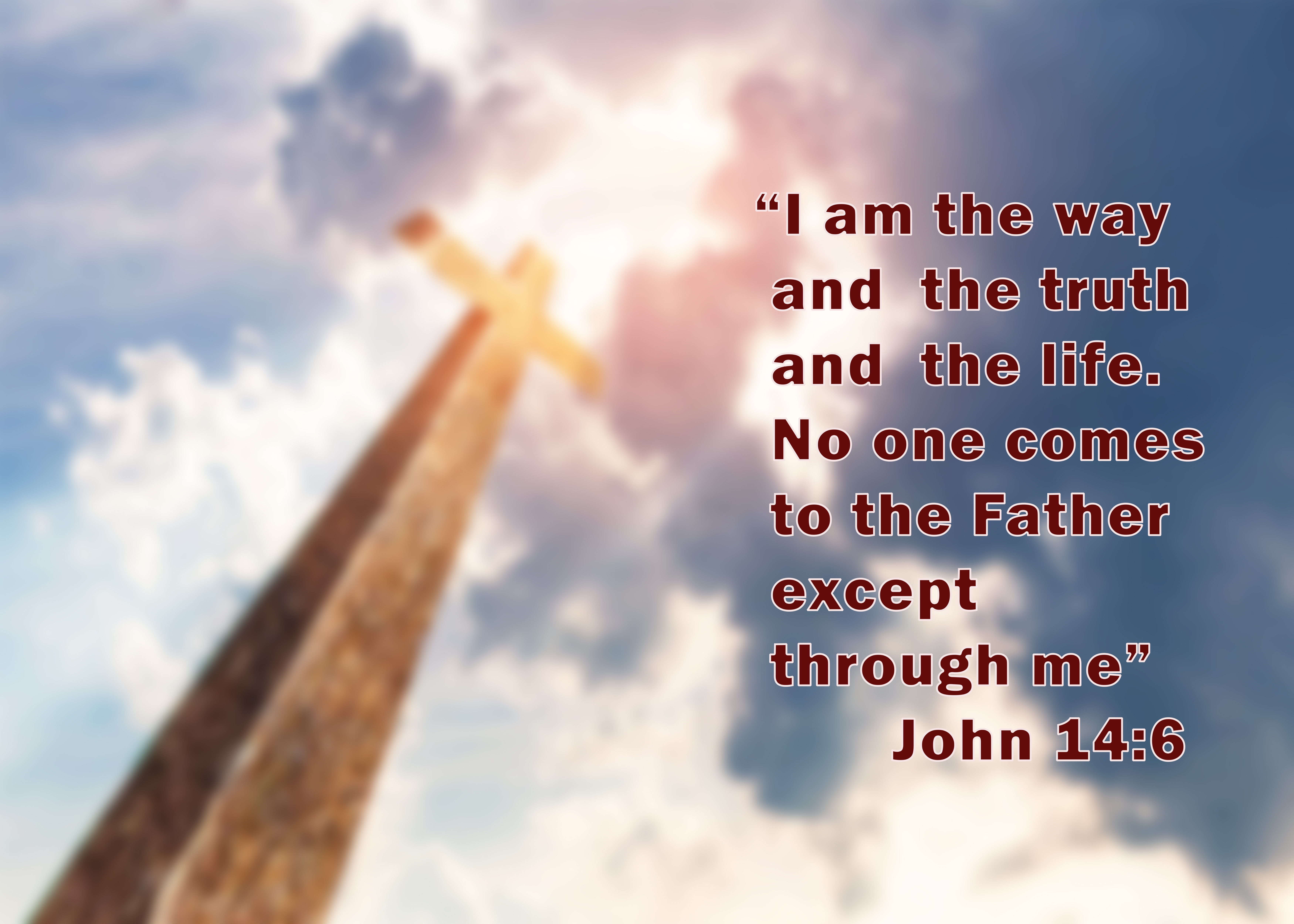
Exclusivity: How Can You Legitimately Claim That Jesus Is The Only Way To God?
REVIEW We’ve presented five arguments for the existence of God and answered atheism’s objections about suffering in the world, God’s origin and his hiddenness. As Christians, we’ve already borne the burden of proof in presenting five arguments for God. In raising...

God’s “Hiddenness”: If God Exists, Why Doesn’t He Make It More Obvious And End Unbelief In The World?
WHAT WE’VE LEARNED SO FAR: GOD EXISTS In previous blogs we used an approach called “natural theology.” We stated that we would not use scripture as justification for the existence of God. Using natural theology's five arguments for the existence of God we can provide...
Suffering

Suffering (Part 1): The Emotional Problem of Suffering
ATHEIST PHILOSOPHER DAVID HUME "Were a stranger to drop suddenly into this world, I would show him, as a specimen of its ills, a hospital full of diseases, a prison crowded with malefactors and debtors, a field strewn with carcasses, a fleet foundering in the ocean, a...

Suffering (Part 2) – The IMPOSSIBILITY Argument: “It’s Impossible For God And Suffering To Coexist”
WHAT HAPPENED TO THE THE IMPOSSIBILITY ARGUMENT? Up until the 1960s, critics of theism, like Epicurus and David Hume, said that the following two statements could NOT possibly both be true: 1. God is all-powerful and all-good. 2. Suffering exists. Philosophers call...

Suffering (Part 3) – The IMPROBABILITY Argument: “It’s Highly Improbable That God And Suffering Can Coexist”
WHAT HAPPENED TO THE IMPOSSIBILITY ARGUMENT? In our last blog, we explored the "impossibility argument," or what philosophers call "the logical problem of evil" and concluded it was false. It's entirely possible for for an all-powerful and all-loving God to coexist...
Miracles
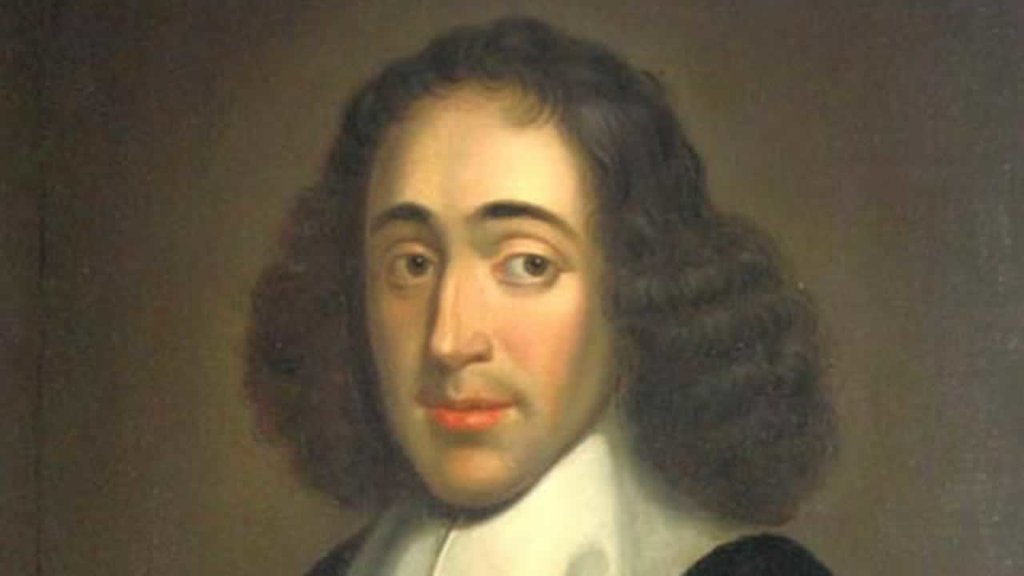
Miracles (Part 1): Was Spinoza Correct In Presupposing That The Laws Of Nature Were Immutable And Miracles Were Impossible?
REVIEW Five Reasons To Believe In God In a previous blog, we said that using natural theology’s five arguments for the existence of God we could provide five excellent reasons to believe in God: 1. God is the best explanation for the existence of objective moral...
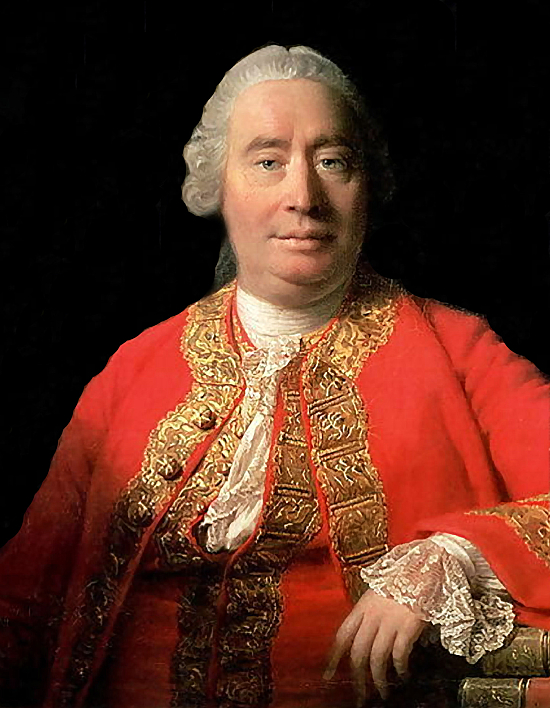
Miracles (Part 2): Was Hume Correct In Presupposing That The Uniform Experience Of Humanity Supports The Laws Of Nature Rather Than Miracles?
INTRODUCTIONIn our last blog, we said that one of the most significant obstacles for some people to overcome is the fact that Christianity is a religion of miracles. The idea of miracles and the supernatural are a little hard to swallow for some people. Why is...

Miracles (Part 3): Were Strauss, Barth And Bultmann Correct In Presupposing That Miracles Were Impossible And That the Bible Needed To Be “Demythologized”?
THE AFTERMATH OF SPINOZA AND HUMEIn our last two blogs on miracles, we said that Jewish pantheist philosopher Benedict Spinoza of Amsterdam and the Scottish atheist philosopher David Hume each had a profound influence in the fields of philosophy and theology, and...
Existence of God

God’s “Origin”: Is The Question Of God’s Origin An Effective Argument Against His Existence?
WHAT WE’VE LEARNED SO FAR: GOD EXISTS In previous blogs we used an approach called “natural theology.” We stated that we would not use scripture as support or justification for the existence of God. Hopefully, our five arguments based on science and philosophy...
Revelation – General
General Revelation (Part 1): How Is It Possible To Know Anything At All About God?
INTRODUCTION In a previous blog, we said that using natural theology’s five arguments for the existence of God we could provide five excellent reasons to believe in God: 1. God is the best explanation for the existence of objective moral values and duties in the...

General Revelation (Part 2): What Happens To Those Who Have Never Heard The Gospel?
REVELATION "Revelation" can be understood in two different senses: 1. In its broad sense, "revelation" is simply a communication from God. 2. In a narrow sense, "revelation" is the disclosure of something previously unknown. General Revelation: In our last blog, we...
Revelation – Special
Bible (Part 1): We Believe In Jesus Christ, Therefore We Believe In The Reliability Of Scripture
REVIEW Special Revelation “Special revelation” is a type of God’s communication in which he makes himself known with a clarity and fullness not available in general revelation. We said there are three different kinds of “special revelation”:1. The revelation of Jesus...

Bible (Part 3): Can Scripture Be Inspired, Authoritative And Confluent?
REVIEW “Special revelation” is a type of God’s communication in which he makes himself known with a clarity and fullness not available in general revelation. We said there are three different kinds of “special revelation”: 1. The revelation of Jesus Christ 2....

Resurrection (Part 1): Did Jesus Die, And Was He Buried In Joseph Of Arimathea’s Tomb?
REVIEW • We have presented “five arguments" for the existence of God that rely entirely on logic and science for their justification.• From that, we gave you “five reasons” to believe in God.• We’ve answered objections from atheism regarding suffering in the world,...
Resurrection
Resurrection (Part 1): Did Jesus Die, And Was He Buried In Joseph Of Arimathea’s Tomb?
REVIEW • We have presented “five arguments" for the existence of God that rely entirely on logic and science for their justification.• From that, we gave you “five reasons” to believe in God.• We’ve answered objections from atheism regarding suffering in the world,...
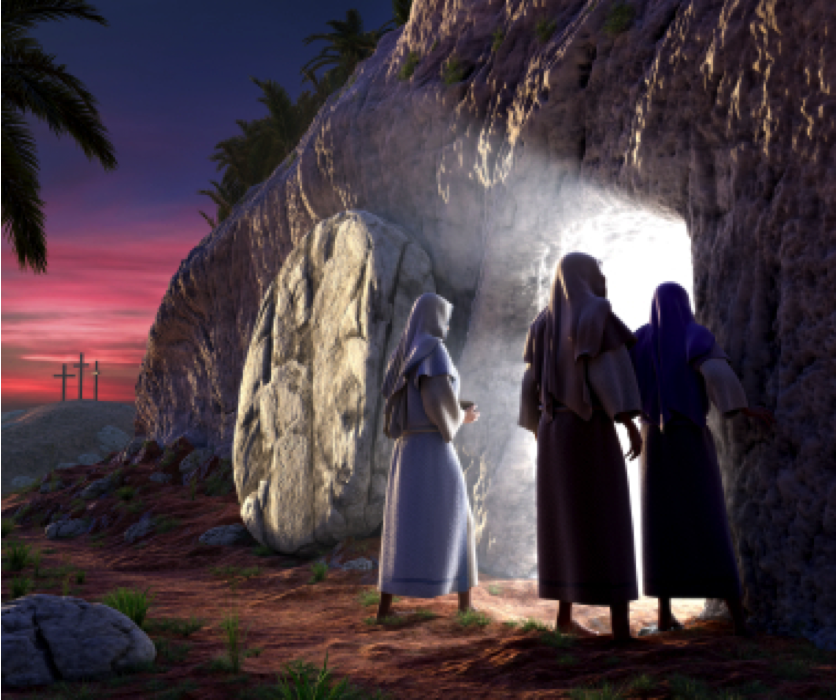
Resurrection (Part 2): Did A Group Of Women Discover Jesus’ Empty Tomb?
SPECIAL REVELATION We previously said that the term "revelation" can be understood in its broad sense as a "communication from God" or its narrow sense as the "disclosure of something previously unknown." These few segments about Jesus' resurrection are part of what...
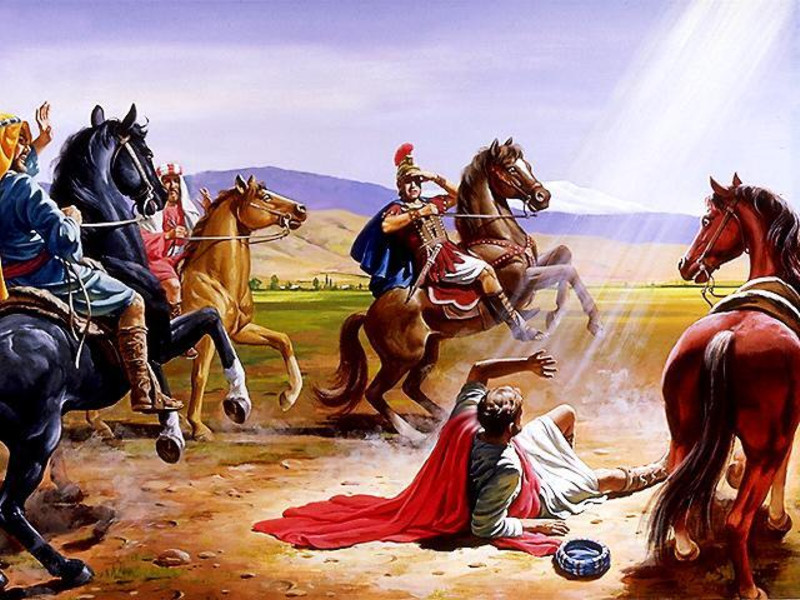
Resurrection (Part 3): Were There Post-mortem Appearances Of Jesus To Various Groups Of Witnesses?
SPECIAL REVELATION We previously said that the term "revelation" can be understood in its broad sense as a "communication from God" or its narrow sense as the "disclosure of something previously unknown." These few segments about Jesus' resurrection are part of what...
Bible
Bible (Part 1): We Believe In Jesus Christ, Therefore We Believe In The Reliability Of Scripture
REVIEW Special Revelation “Special revelation” is a type of God’s communication in which he makes himself known with a clarity and fullness not available in general revelation. We said there are three different kinds of “special revelation”:1. The revelation of Jesus...
Bible (Part 3): Can Scripture Be Inspired, Authoritative And Confluent?
REVIEW “Special revelation” is a type of God’s communication in which he makes himself known with a clarity and fullness not available in general revelation. We said there are three different kinds of “special revelation”: 1. The revelation of Jesus Christ 2....
Meaning

Meaning (Part 1) – Why Does It Matter If God Exists?
Actor Joaquin Phoenix: "I don't believe in god. I don't believe in an afterlife. I don't believe in soul. I don't believe in anything...To me it's a pretty preposterous idea." Actor Bruce Willis: "Organized religions in general, in my opinion, are dying forms. They...

Meaning (Part 2): What Are The Elements Of A Sound Worldview?
(click here to Download or Print this article) REVIEW In our article entitled Why Does It Matter If God Exists?, we examined atheistic existentialism and the fact that it results in "absurdity”. The term "absurdity" was defined by existentialist Albert Camus as a loss...